

What Is HIPAA and Why Does It Matter for Assisted Living Residents?
HIPAA, the Health Insurance Portability and Accountability Act, is a federal law that sets standards for how protected health information (PHI) is handled by healthcare providers, insurance plans, and certain related organizations. In assisted living communities, HIPAA shapes how residents’ medical information is shared with staff, family members, and outside entities. For families in Lititz, it’s important to recognize that privacy around health details is both a resident’s right and a regulated responsibility for staff.
Assisted living staff must keep residents’ health information private, only sharing it under circumstances allowed by law or with the resident’s consent. This helps protect personal dignity and reduces the risk of sensitive personal details being misused.
Can Family Members Access a Loved One’s Health Information?
Yes, but there are limits. Family access to health records in assisted living depends on the resident’s wishes and mental capacity. If an adult resident is able to make their own decisions, only they (or someone they formally authorize) can approve information sharing.
Family members can access information if:
- The resident has given written consent.
- The family member is named in a legal healthcare power of attorney or advance healthcare directive.
- The resident is no longer able to make decisions, and a legal guardian or similar authority exists.
In practice, this means children or relatives can’t automatically review Mom or Dad’s medical files without specific permission. Conversations about these permissions are best handled before a crisis arises.
What Information Is Protected Under HIPAA in Assisted Living?
Protected health information (PHI) includes any data about a resident’s physical or mental health, healthcare services received, or payment for care that can identify them.
Typical examples in an assisted living context:
- Medication lists and changes
- Lab results or care assessments
- Progress notes from nurses or aides
- Appointments and referrals
- Insurance or billing records with medical details
HIPAA also covers conversations among staff about a resident’s care. Staff must use private settings and limit discussions, especially in close-knit communities like those in the city, where it’s more likely people might know each other personally.
Are There Situations Where Staff Can Share Information Without Consent?
Yes, there are exceptions. Assisted living staff may share relevant health information without explicit resident consent only when:
- It’s necessary for treatment, payment, or healthcare operations
- There is a serious and imminent threat to the health or safety of the resident or others
- Federal, state, or local laws require disclosure (e.g., certain infectious disease reports or elder abuse concerns)
For example, in a medical emergency, staff will provide critical information to paramedics or hospital teams to ensure appropriate care. If a family member is directly involved in a resident’s care or payment, staff may use their judgment to share relevant details, but typically only to the extent necessary to facilitate care.
Does HIPAA Mean Families Can’t Be Involved in Care?
HIPAA restrictions do not prevent families from helping or being involved. The law’s primary goal is to control unnecessary or unauthorized sharing—residents can always choose to let family participate in care planning, updates, and personal discussions.
Local residents often benefit from advance planning. Completing forms at move-in that specify which relatives can be kept in the loop (and in what situations) helps avoid confusion and stress later on. This is especially valuable during events like winter illnesses or hospital transfers, when quick, clear communication is crucial.
What Rights Do Residents Have Over Their Own Information?
Residents have several key rights under HIPAA. They can:
- Request and receive copies of their health information (paper or electronic)
- Ask for corrections if information is inaccurate
- Decide who may or may not have access to their records
- Receive an account of when and why their information was shared
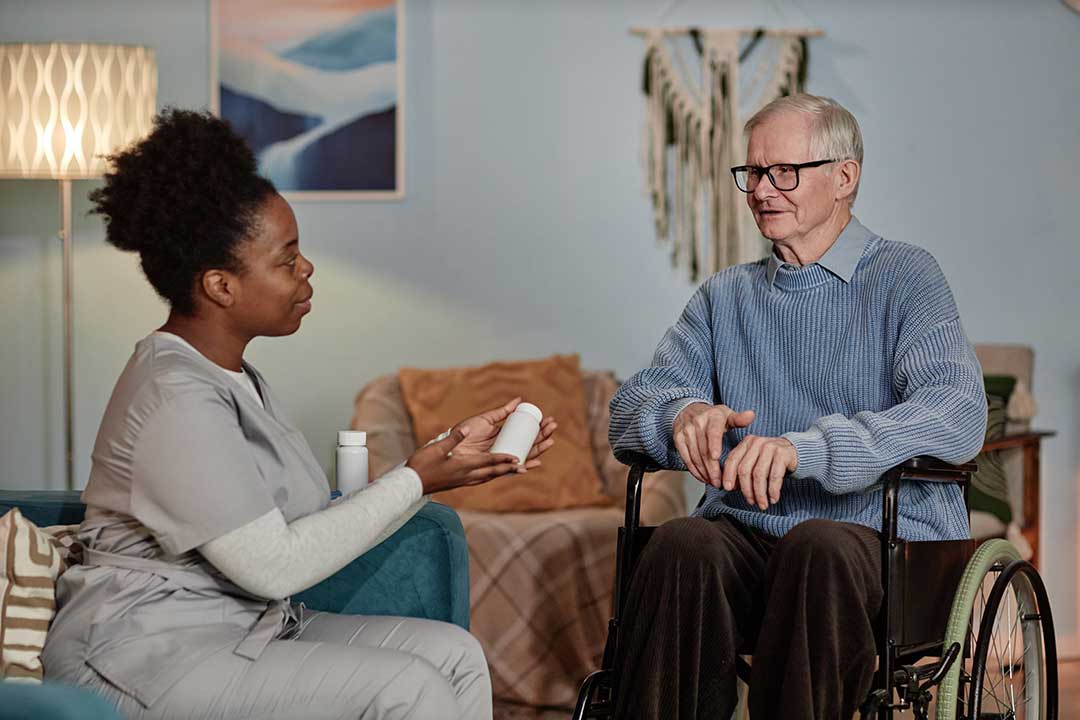
Assisted living communities must have clear privacy policies, which residents and authorized family members can review. It’s reasonable—especially for families new to assisted living in the region—to ask to see these policies upon admission.
Common Misunderstandings About HIPAA in Assisted Living
Some local families worry that HIPAA means “staff won’t talk to me,” or that it’s a barrier to involvement. In reality, the law is meant to empower both residents and families by clarifying everyone’s rights.
Other common misconceptions:
- HIPAA does not prevent all sharing; it requires guidance and documentation.
- It does not govern casual social details (like what meals your loved one enjoyed) unless those details reveal health status or diagnosis.
- Privacy violations often result from misunderstanding, not willful secrecy—if in doubt, staff typically err on the side of privacy until clear permission exists.
What Should Families Ask or Do to Make HIPAA Work Smoothly?
A straightforward conversation early on helps prevent surprises. Practical steps for local families:
- Discuss preferences for information sharing directly with the resident, if possible.
- Complete any offered forms identifying which family members can be talked to (and about what topics).
- Keep legal documents (such as healthcare power of attorney) current and available.
- Respect the resident’s wishes and right to privacy, even if this means some information is limited.
If concerns about how information is being handled arise, residents or authorized family members can request clarification or file a complaint with the facility’s privacy official. Assisted living providers are legally required to respond and maintain processes to resolve privacy matters.
