
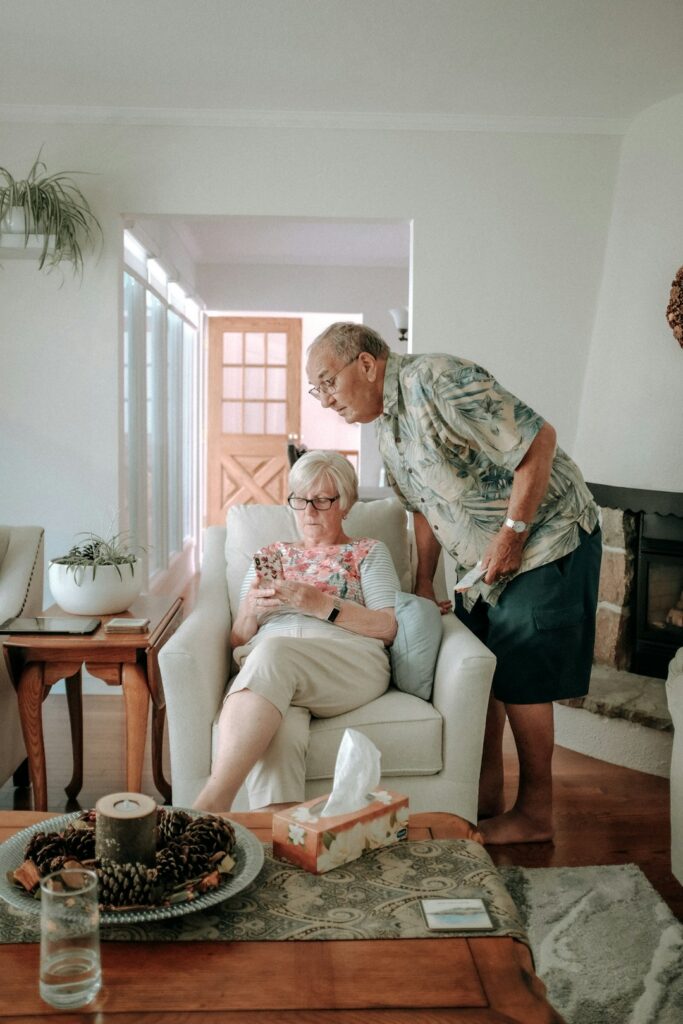
Moving to assisted living often becomes easier when belongings are sorted gradually and thoughtfully. Downsizing is not simply about getting rid of possessions; it is about deciding what supports daily life, preserves meaningful memories, and fits the next home safely.
Why start downsizing before the move?
Beginning several weeks or months ahead allows time for careful decisions rather than rushed choices. A move can already involve changes in routines, transportation, healthcare, and social connections. Sorting possessions slowly reduces pressure and gives family members a clearer understanding of personal preferences.
For residents of Lititz, seasonal timing may also matter. Homes often contain winter clothing, holiday decorations, gardening supplies, outdoor furniture, and equipment used during changing weather. Sorting these categories early prevents last-minute decisions when a move date is approaching.
A practical starting point is to choose one small area, such as a bathroom cabinet, bedside table, or linen closet. Completing manageable sections can build momentum without making the entire house feel overwhelming.
What should be measured before choosing what to keep?
The size and layout of the new living space should guide decisions. Ask for accurate measurements of the room, closet, bathroom storage, and any shared areas where personal furniture may be permitted. A simple floor plan can show whether familiar pieces will fit safely.
Measure furniture such as:
- Beds and mattresses
- Dressers and nightstands
- Recliners and small chairs
- Tables and desks
- Bookcases
- Television stands
- Mobility equipment
Do not rely only on visual estimates. A chair that fits comfortably in a house may block a doorway or limit walking space in a smaller apartment. Allow room for walkers, canes, wheelchairs, staff access, and emergency movement.
Keep the items that support comfort and identity first. A favorite chair, a few framed photographs, a familiar lamp, or a small writing desk may be more valuable than a large collection of furniture that leaves little room to move.
How can belongings be sorted without making the process confusing?
Use clearly labeled categories rather than making decisions room by room without a plan. Four basic groups are usually enough:
- Keep and move
- Give to family or friends
- Donate or sell
- Recycle, discard, or handle separately
A “decide later” box can be useful, but it should have a deadline. Otherwise, it becomes a way to postpone every difficult choice. Revisit those items after the easier categories are finished.
For paperwork, create separate folders for current documents, family records, financial information, medical information, and items that require secure destruction. Old tax records, insurance papers, account statements, and legal documents should not be placed in ordinary recycling until retention needs have been considered.
Important personal records may include:
- Identification documents
- Insurance cards and policies
- Medication lists
- Advance directives and healthcare instructions
- Financial and legal documents
- Emergency contacts
- Warranties for essential equipment
Sensitive papers should be stored securely during the move. Shredding may be appropriate for documents that are no longer needed, but legal or financial records should not be discarded casually.
What belongings are usually overlooked?
Downsizing often focuses on furniture while ignoring smaller items that take up significant space. Kitchens, garages, basements, attics, and storage sheds may contain years of accumulated possessions.
Commonly overlooked categories include:
- Duplicate cookware and serving dishes
- Expired food, medications, and personal care products
- Cleaning chemicals and flammable materials
- Seasonal decorations
- Tools and lawn equipment
- Extra linens and towels
- Old electronics and tangled cords
- Unused craft or hobby supplies
- Freezer contents
- Clothing that no longer fits or is rarely worn

Assisted living settings may have rules about candles, hot plates, space heaters, extension cords, large appliances, and other safety concerns. Ask for the residence’s current guidelines before packing. Items that create fire, fall, or electrical hazards may not be permitted.
Medication should receive special attention. Do not throw prescription medicine into household trash or flush it unless specific disposal instructions say to do so. Use an approved medication take-back option or follow the instructions provided by a pharmacist or local public agency.
How should sentimental items be handled?
Sentimental belongings can be the hardest to sort because their value is emotional rather than practical. The goal does not have to be keeping everything. It may be more helpful to preserve the story connected to an item.
Consider choosing:
- A small group of favorite photographs
- One or two quilts or handmade items
- A meaningful piece of artwork
- Letters or cards
- A few objects connected to family history
- A digital collection of scanned photographs
Family members may want specific heirlooms, but assumptions can lead to disappointment. Ask directly rather than setting belongings aside for people who may not have space or interest. A short note describing the history of an heirloom can make it more meaningful and prevent confusion later.
For large collections, photographs can preserve memories without requiring every physical item to move. However, digital files should be labeled and backed up so they remain accessible.
What clothing is appropriate to bring?
Pack clothing for ordinary daily use rather than every possible occasion. A smaller wardrobe is easier to organize and reduces clutter. Include comfortable layers for indoor temperatures, well-fitting shoes with secure soles, sleepwear, undergarments, outerwear, and clothing suitable for seasonal weather.
Labeling clothing can help prevent loss in shared laundry systems. Use a consistent name label on washable items, including coats and sweaters. Choose garments that are easy to put on and remove if dressing becomes more difficult later.
Avoid sending valuable jewelry, irreplaceable accessories, or large amounts of cash. A small number of familiar personal items may be appropriate, but security should be considered.
How can family members help without taking over?
Family support works best when it respects the resident’s preferences and pace. Set aside a specific amount of time, such as one hour, and focus on one category. A helper can measure furniture, photograph items, carry boxes, or arrange transportation without making every decision.
Family members should avoid pressuring someone to discard possessions simply because they appear old or unused. Objects may represent independence, family history, or important memories. At the same time, the person moving may appreciate help recognizing safety concerns, excessive duplicates, or items that cannot fit.
If memory loss, grief, conflict, or severe anxiety makes sorting especially difficult, additional support may be appropriate. Safety concerns, hazardous materials, structural problems, or legal questions may require assistance from a qualified professional.
What should happen to items that are not moving?
Make a plan for each category before the moving week. Family distribution, donation, recycling, secure disposal, and temporary storage all require time. Storage can be useful for a short transition, but it may become expensive and delay decisions if there is no clear review date.
Keep a written list of items going to different destinations. Photograph valuable or sentimental possessions before they leave the home. This record can help family members remember what was distributed and may reduce disagreements.
The final days should be reserved for essentials: medications, documents, clothing, toiletries, mobility equipment, glasses, hearing devices, chargers, and familiar comfort items. A clearly marked first-night bag can prevent unnecessary searching after arrival.
Downsizing is more manageable when it is treated as a series of thoughtful choices rather than a single exhausting event. The most useful belongings are usually those that support safety, comfort, daily routines, and a sense of personal identity in the new living space.
